Selden Wines · Patching, West Sussex

South Downs Pinot.
Still and serious.

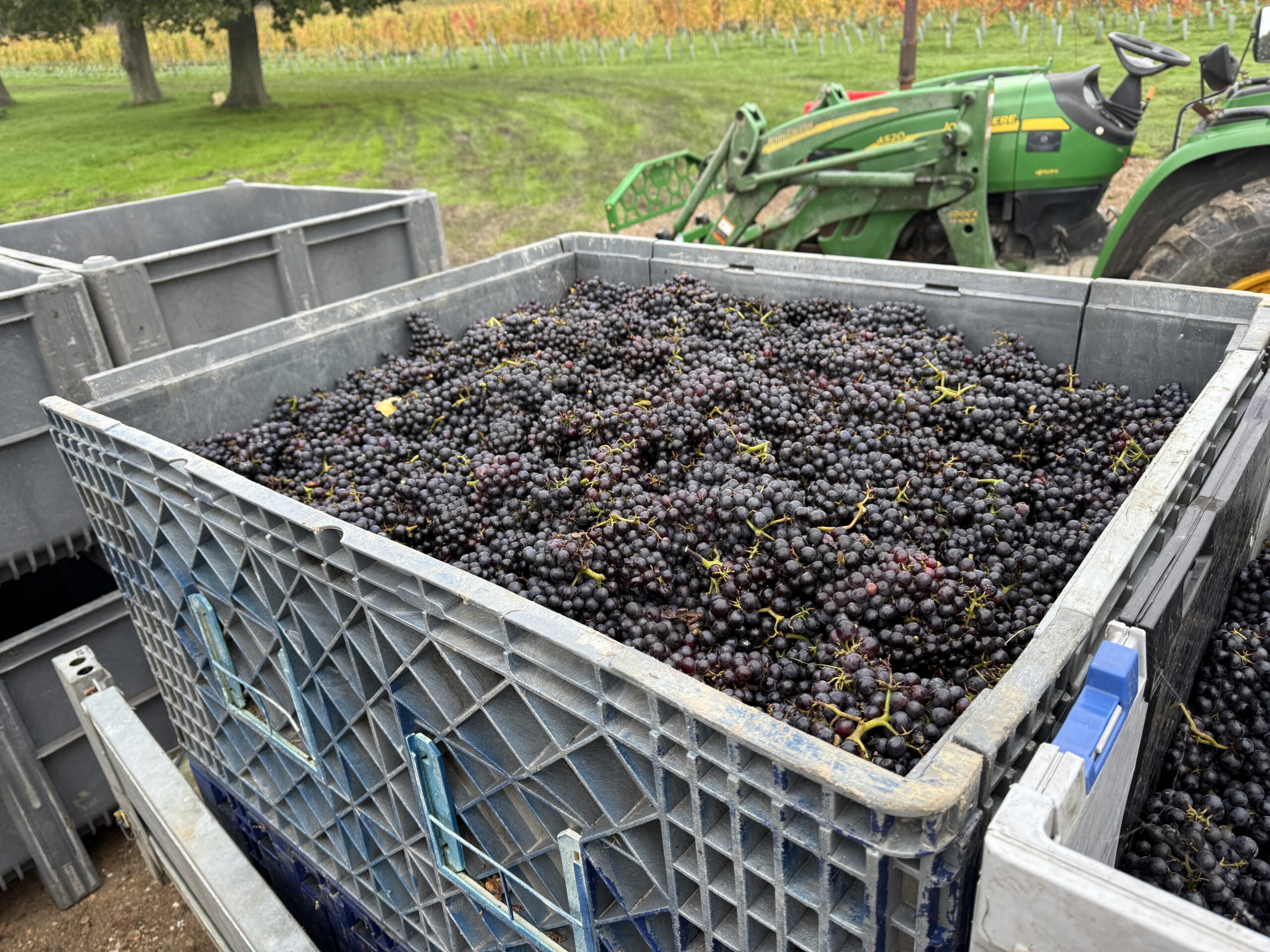
South-facing slopes in the sunniest corner of mainland Britain. Clay over chalk. Pinot Noir harvested in early October at 12–12.5% natural alcohol. This is not a sparkling house that also makes red wine. It never was.

Latitude

50° 49′ N — at the southern edge of mainland Britain.

Soil

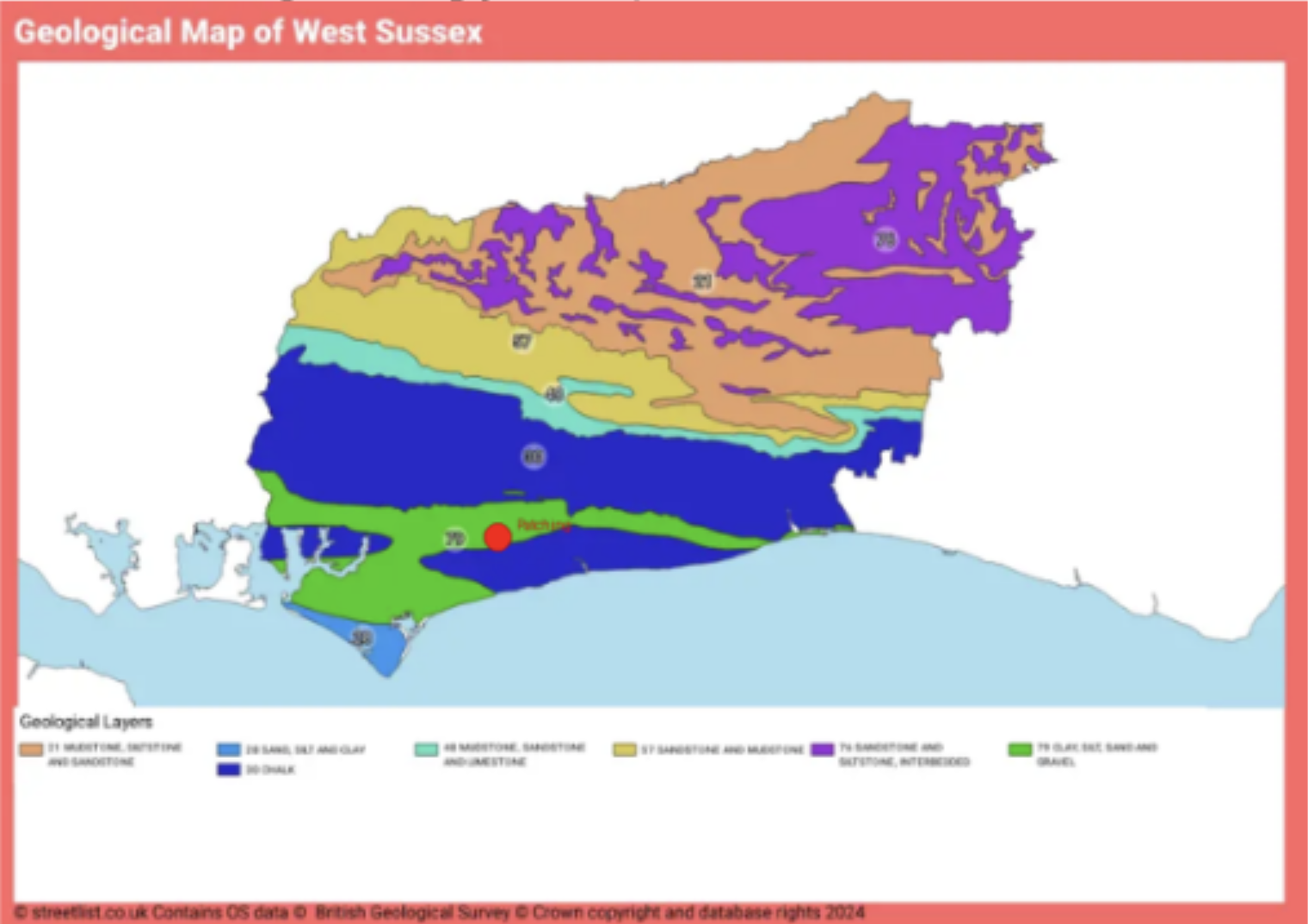
Clay-with-flints over fractured chalk. Burgundian in cross-section.

Style

Still wines first. Sparkling will come, eventually.

The estate

An estate with
a single idea

Most English vineyards began with sparkling wine — a sensible hedge against the climate, and one that has served the industry well. At Selden, we made a different calculation. From the first vines planted in 2020, the ambition has been to produce still Pinot Noir of genuine distinction: structured, food-oriented, elegant in the way that Burgundy once was, before warming temperatures shifted the stylistic centre of gravity.

Six years on, the bet is bearing fruit. With the same south-facing slopes, the same clay and chalk, the same measured approach to ripening, we now experience harvests that increasingly confirm what the soil and the data always suggested was possible here.

The climate

A new viticultural latitude,
quietly emerging.

England's wine map has been redrawn by climate change. Where the Champagne region once held a monopoly on cool-climate finesse, the South Downs now offer growing-degree-day totals that, twenty years ago, would have been considered unimaginable for serious Pinot Noir.

At Selden the south-facing aspect, the proximity to the sea, and the chalk subsoil combine to produce a microclimate that is at once warmer, drier and longer in season than the regional average. We are not chasing weather; the weather has come to us.

Cool-climate viticulture used to mean Champagne. It is starting to mean the South Downs as well.

The wines

South Downs Pinot.
Still and serious.

Cool-climate red wines are lighter in body, higher in natural acidity and more restrained in alcohol than their warmer-climate equivalents. England isn't reinventing Pinot Noir. It is, in some respects, conserving an older version of it.

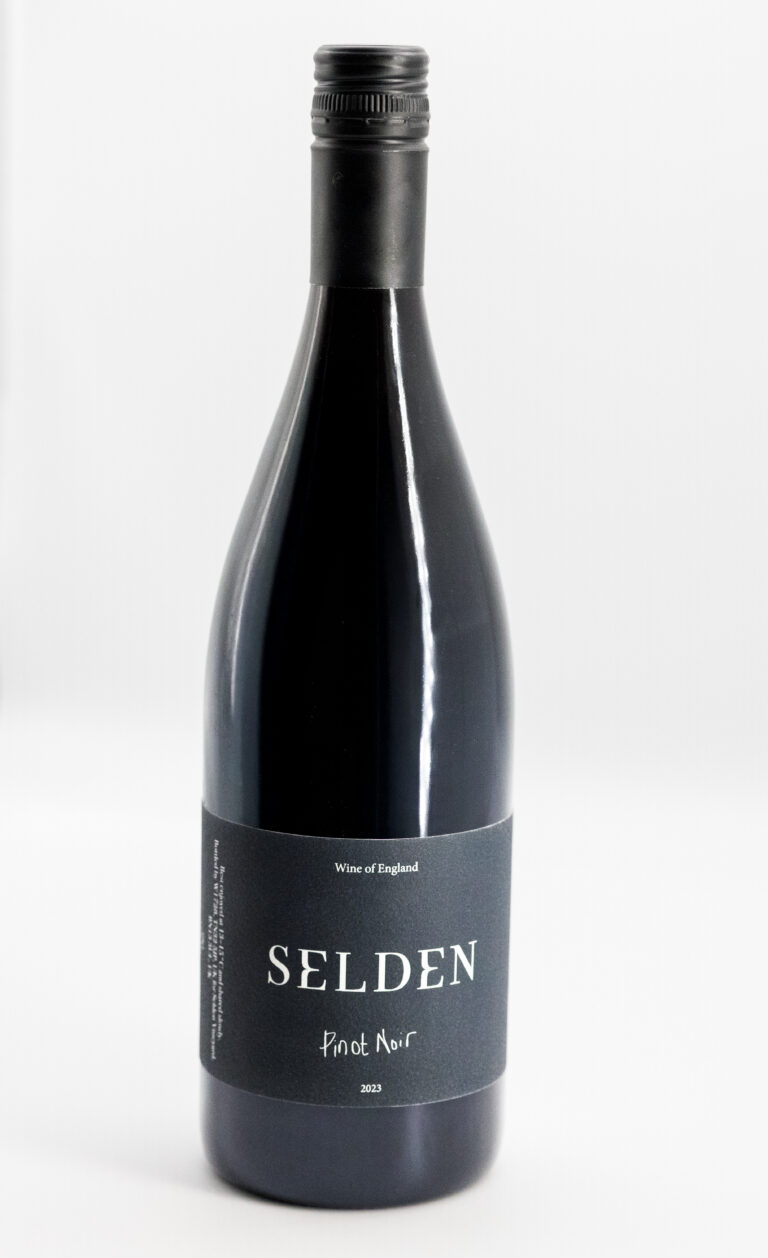
2026 · Pinot Noir 2023

Pinot Noir 2023

Pinot Noir 2023

The first vintage to show what Selden’s south-facing slopes are genuinely capable of. A warm, settled September gave the Pinot Noir time to develop real depth while retaining the freshness that defines the estate. Structured enough to reward a decant, accessible enough to open tonight. Nose: Red cherry, fresh raspberry, dried rose petal, faint earthiness. […]

£29.50

Buy Now

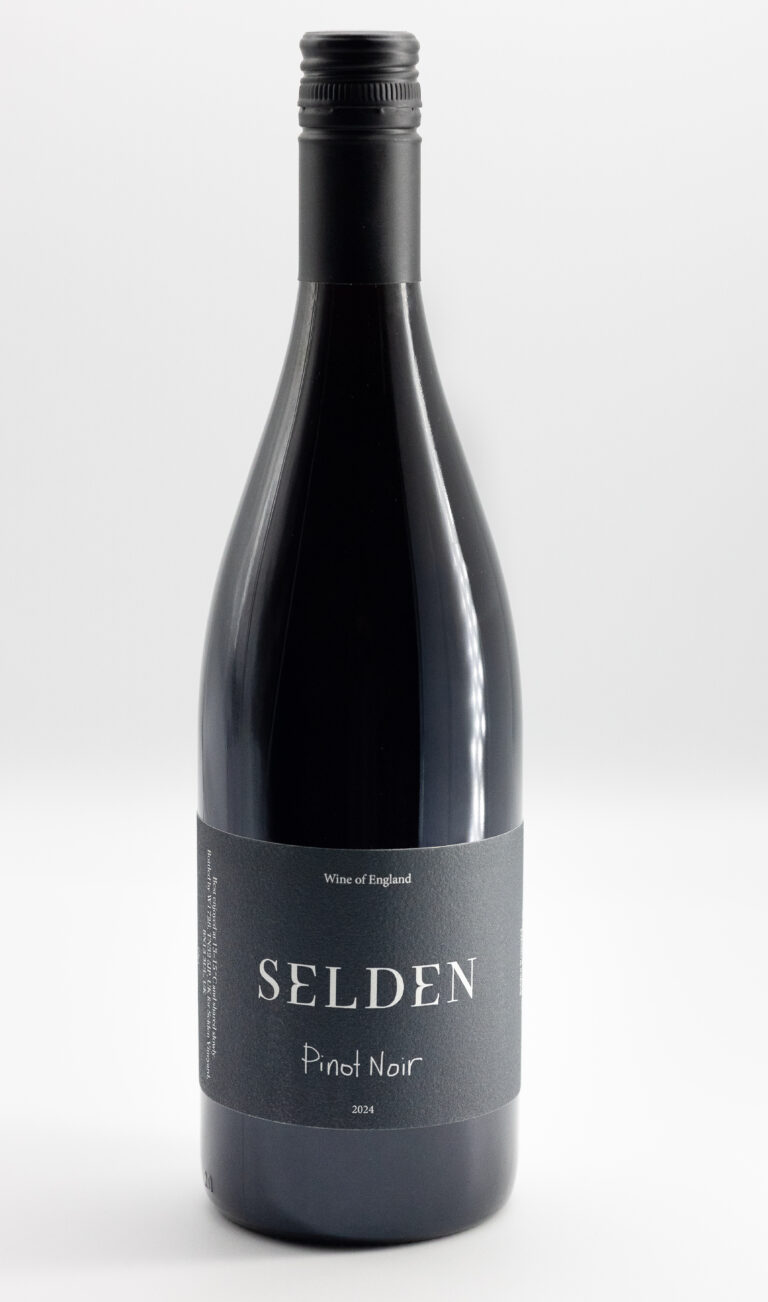
2026 · Pinot Noir 2024

Pinot Noir 2024

Pinot Noir 2024

A cool, wet summer tested every vineyard’s resilience, and yields were down across the board. At Selden, rigorous selection produced a wine that, while lighter in volume, maintains the clarity and freshness that defines the estate. A wine for those who appreciate wines shaped by adversity rather than abundance.

£29.50

Buy Now

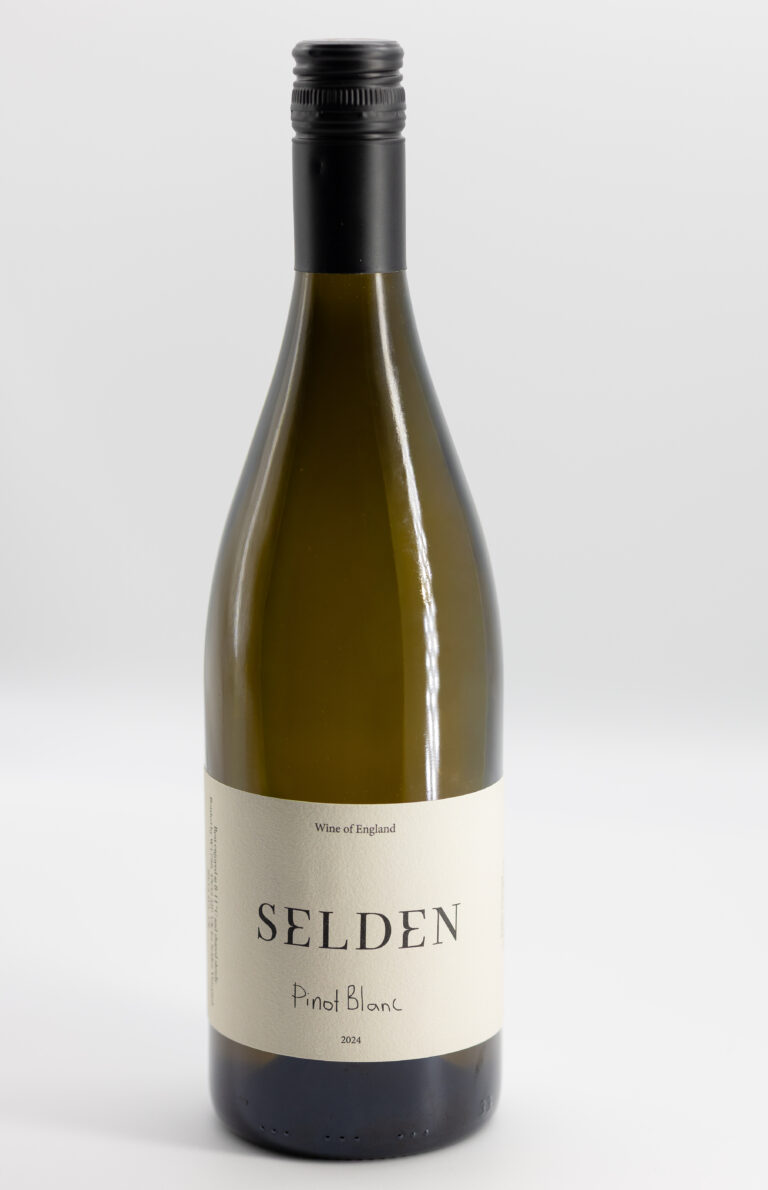
2026 · Pinot Blanc 2024

Pinot Blanc 2024

Pinot Blanc 2024

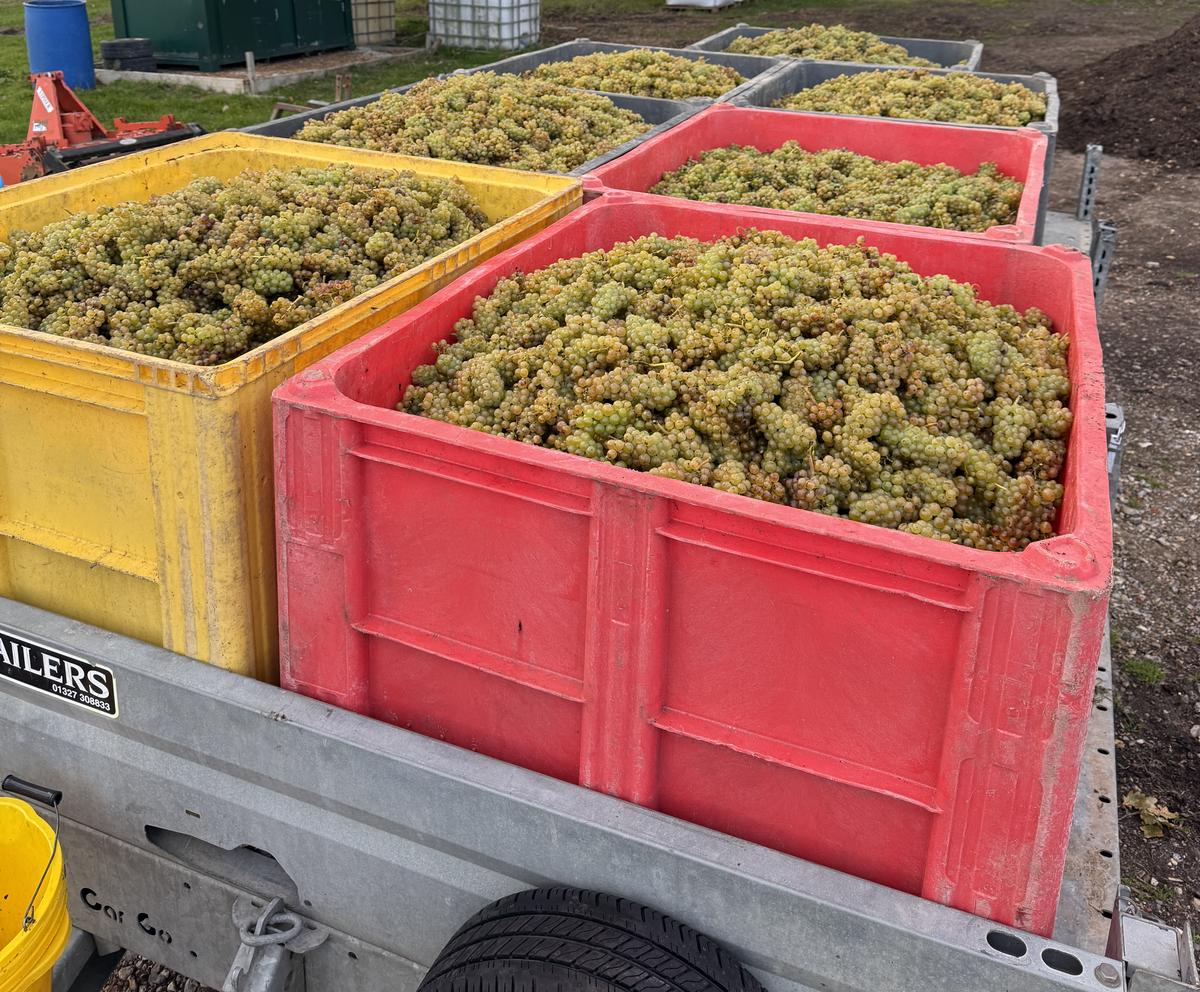
Grown on the same slopes as the Pinot Noir and harvested at the same measured tempo. The 2024 vintage proved well-suited to Pinot Blanc: the cooler conditions preserved the natural freshness and structural composure that the variety does best. Closer in spirit to a serious Baden Weissburgunder than to the richer Alsatian style.

£24.50

Buy Now
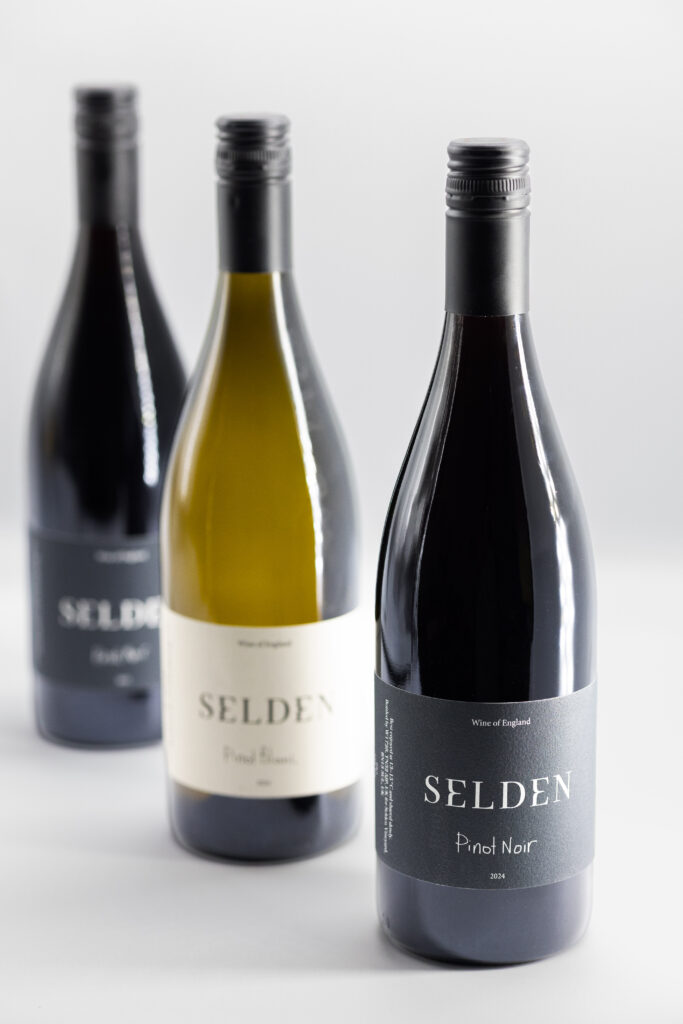
Mixed case photography

Special offer

The Selden Selection

One bottle of each wine. Three distinct expressions of the same south-facing estate — across two vintages and two varieties. The most complete introduction to South Downs Pinot — still and serious — that we can offer.

£75.00

A saving of £6.50 on individual bottle prices

  • 2023 Pinot Noir£29.50
  • 2024 Pinot Noir£29.50
  • 2024 Pinot Blanc£24.50
  • Individual total£83.50
  • Mixed case price£75.00
Buy now

All orders subject to age verification. You must be 18 or over to purchase alcohol.

From 2027

Blanc de Noirs

We are first and foremost a still-wine estate — but never say never. Pinot Noir and Pinot Meunier expressed as a sparkling white wine. First release anticipated 2027.

Join the list for early access

The vineyard

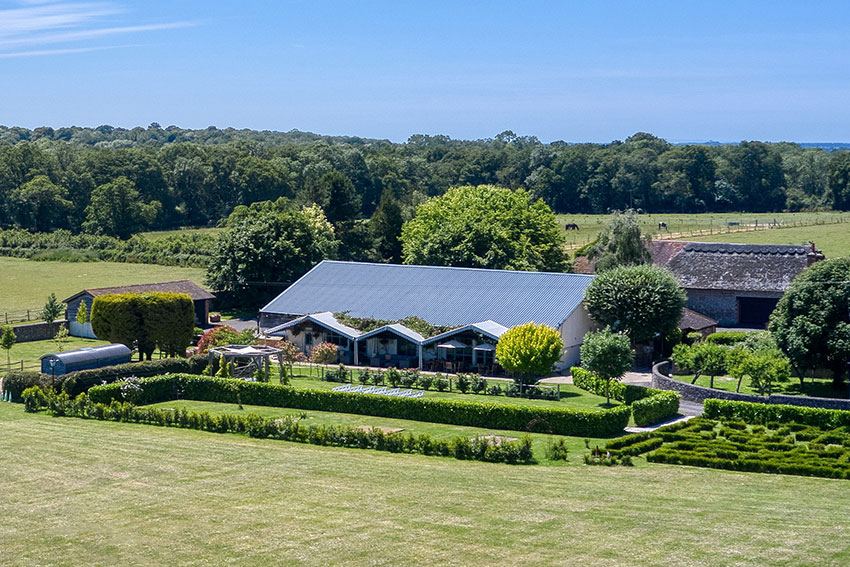
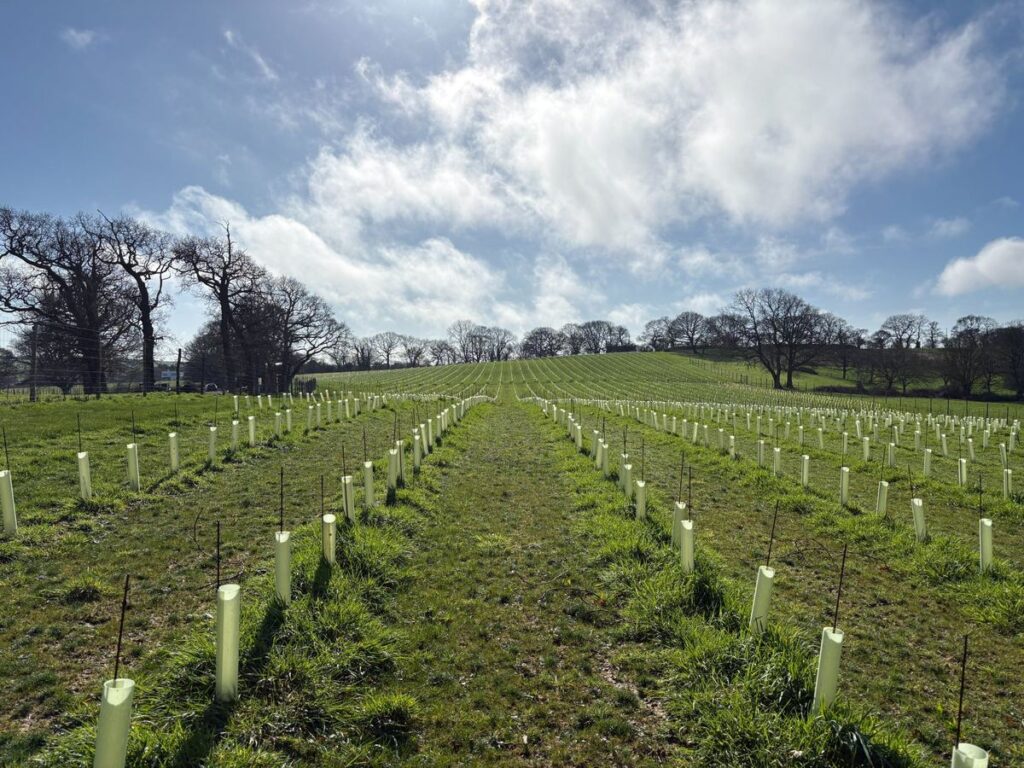
Fourteen acres on south-facing
slopes overlooking the English Channel

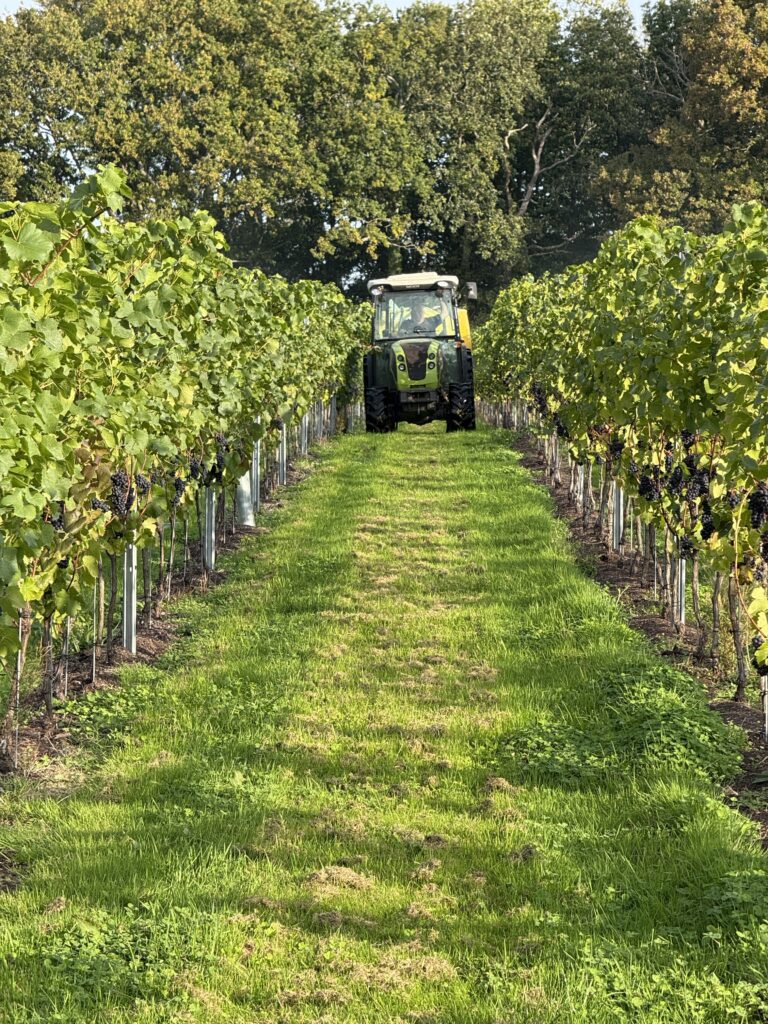
The vineyard at Selden sits at around 50 metres above sea level in Patching, West Sussex — tucked into a south-facing bowl, ringed by woodland that blunts the coastal winds. The nearby sea acts as a heat store, smoothing out extremes, offering a degree of frost protection and nudging autumn temperatures just enough to lengthen the ripening window.

When we planted in 2020, the accumulated heat of an average growing season here sat at around 900 Growing Degree Days — enough for Pinot in a normal year, with a meaningful upside as temperatures continued to rise. The 2025 harvest approached 1,050 GDDs. What once felt like a calculated risk now feels like an early adoption of a new climatic reality.

Clay over chalk

The South Downs may be built from chalk, but the surface tells a subtler story. At Selden, the topsoil is clay-with-flints — a thin, clay-rich horizon peppered with flint nodules, underlain by chalk at modest depth. It is unexpectedly close to the architecture of Burgundy's most celebrated vineyards: a modest clay layer over fractured limestone, with good drainage, just enough water retention and a mineral-rich subsoil within the rooting zone.

The chalk provides structure and mineral tension. The clay moderates drainage, retains moisture through dry spells and limits vigour — exactly what Pinot Noir responds to best.

Planted to learn, not just to produce

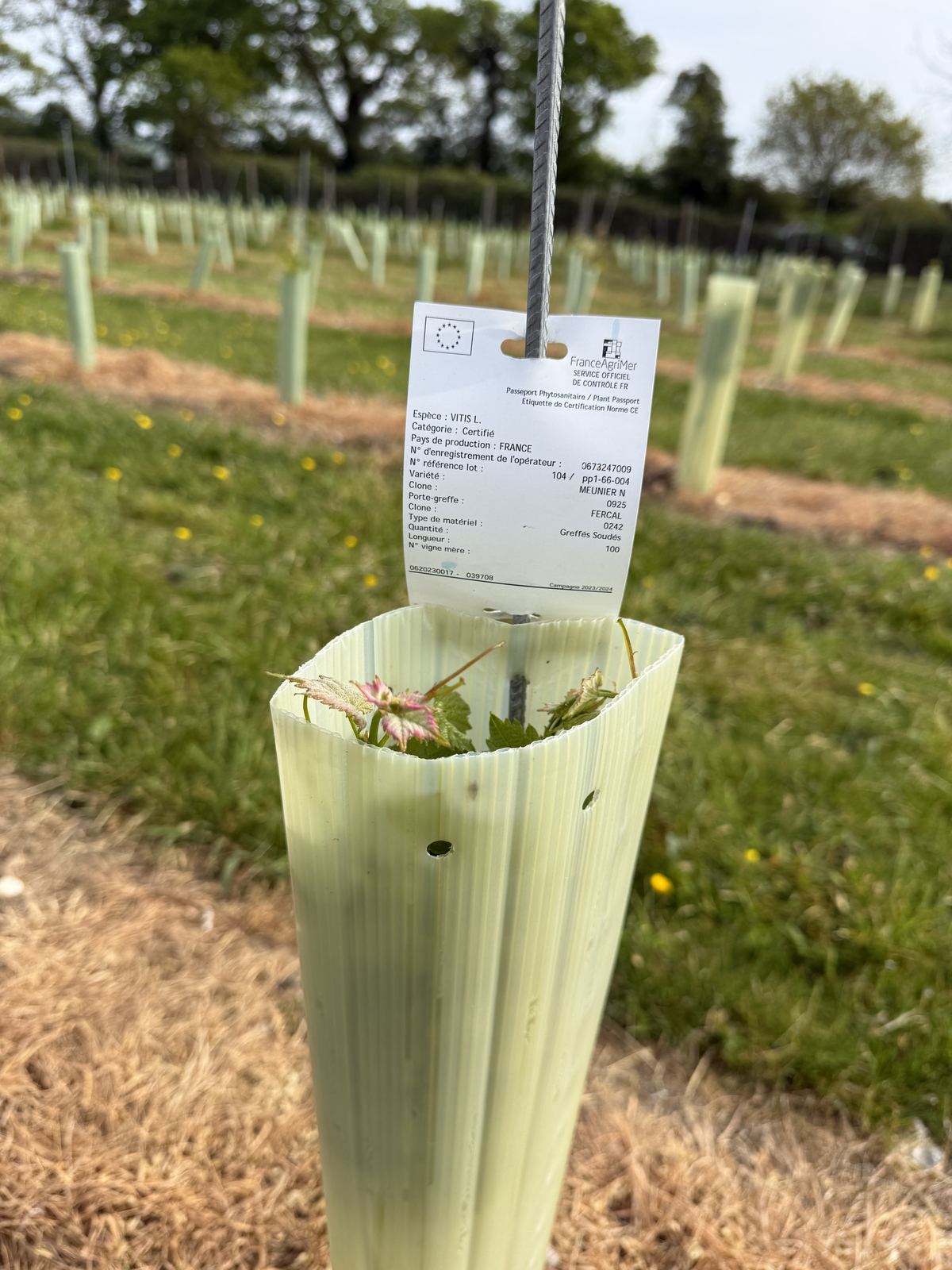
We planted a range of Pinot Noir clones — 828, 459, 777 and the GM series — to build a palette of different personalities. Across three rootstocks (Fercal for the pure chalk, SO4 where the clay runs deeper, 3309C for the more fertile pockets), the vineyard is designed to teach us as much as it yields. It is knowledge that cannot be bought — only grown.

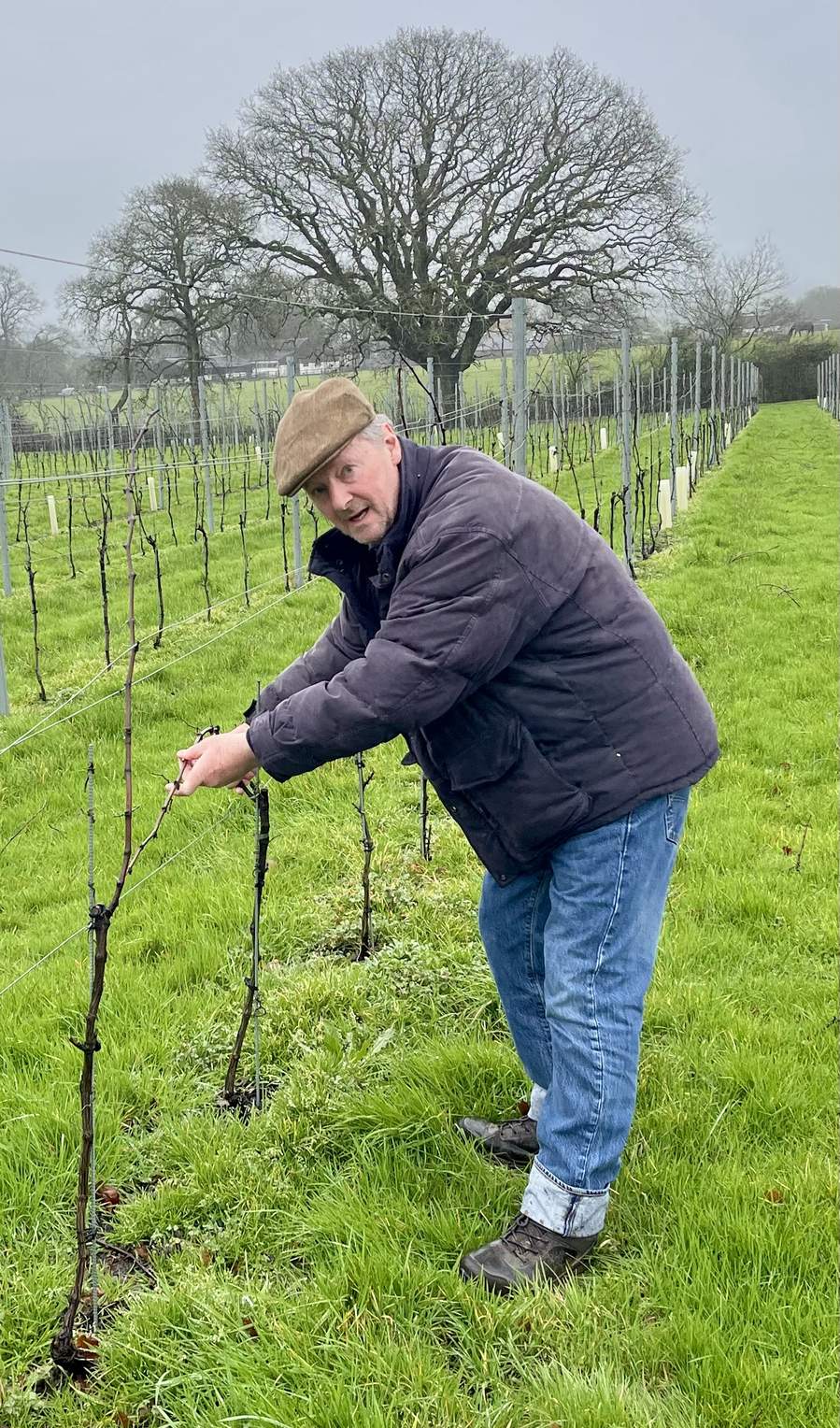
Our vineyard manager works with apprentices from Plumpton College, the UK's leading wine education centre, who assist with the day-to-day work of the vineyard.
The harvest

Capturing a moment of balance

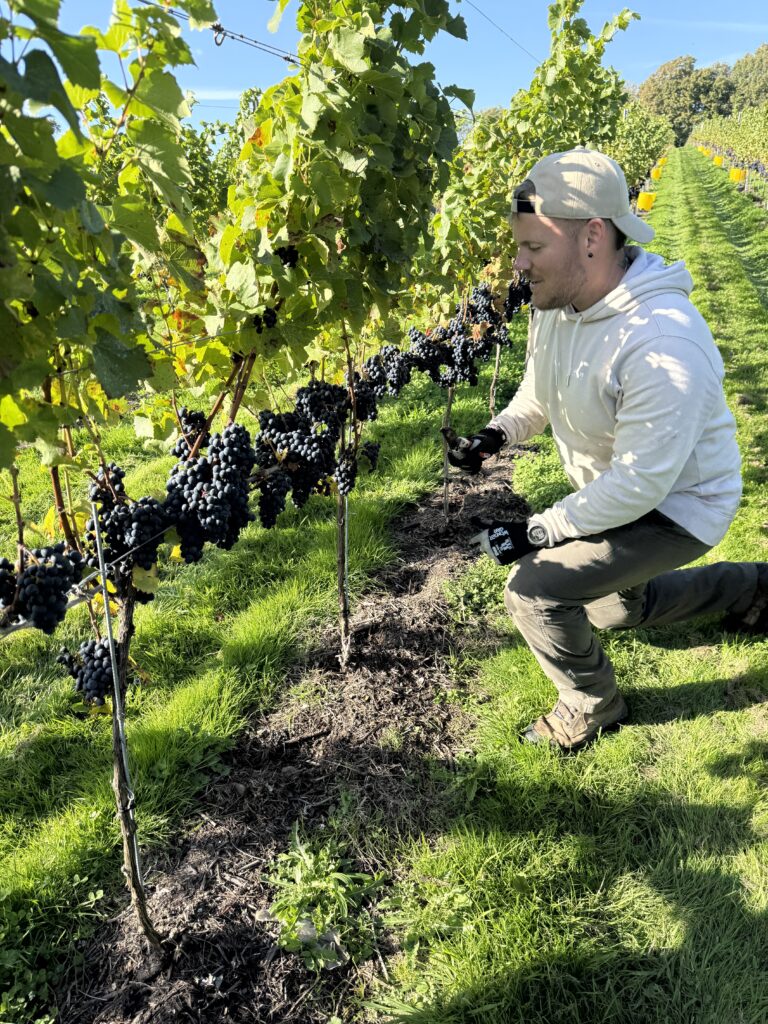
We harvest selectively, in successive passes, taking only what is ready. Picked in early October, the wines reflect that cadence: composed, aromatic, finely structured.

The winemaker

Ulrich Hoffmann

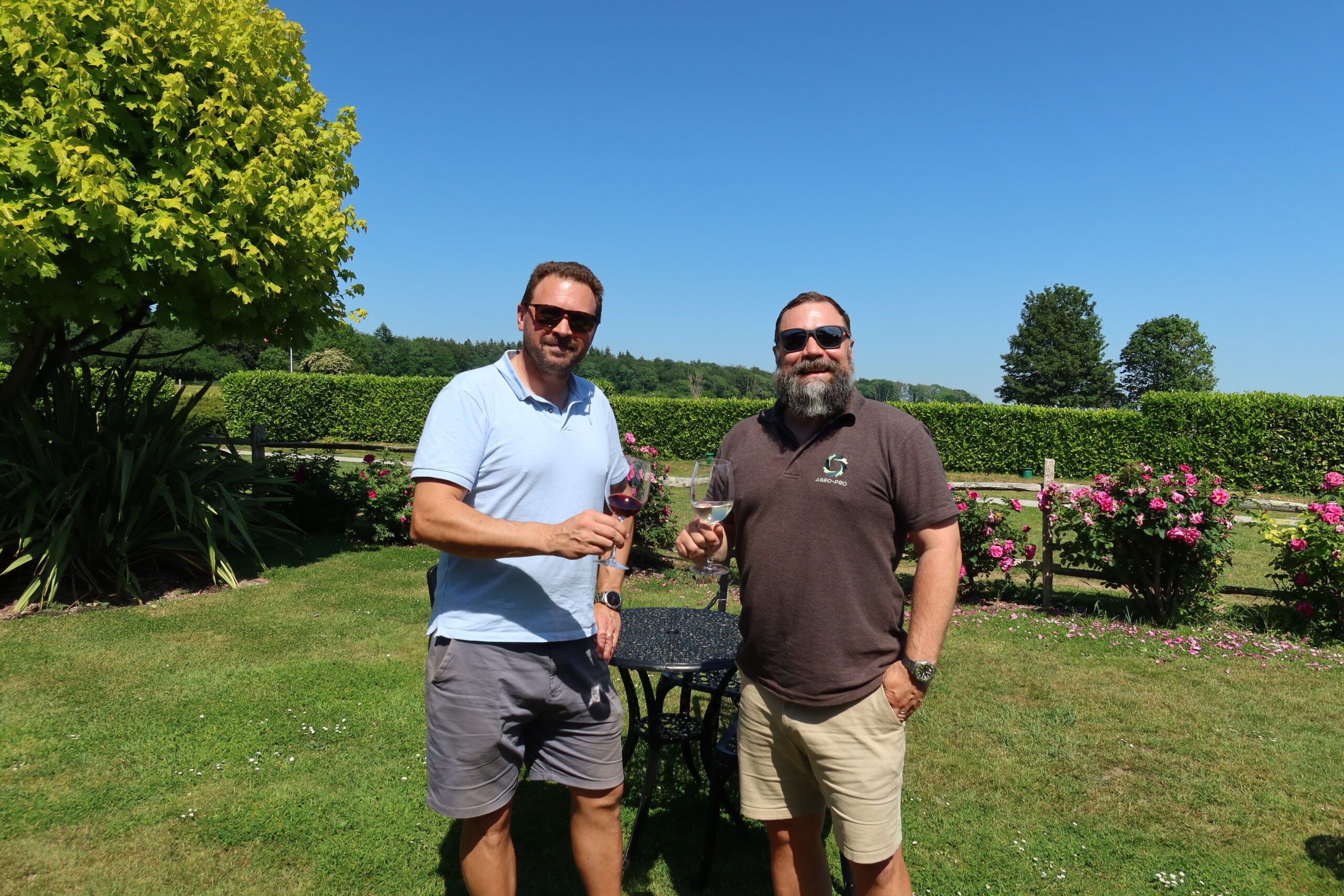
Our wines are made in partnership with Ulrich Hoffmann of Vivid Wines in East Sussex. Ulrich receives the grapes on the day they are picked, oversees additional de-stemming and the initial crush, and then guides the fermentation — first in stainless steel, then for the red wines, into seasoned French oak barrels where the wine continues to develop texture and structure.

We meet regularly through the early stages to monitor progress. The aim is always the same: to let the fruit lead and use the cellar only to refine what the vineyard has already done.

The collaboration suits the philosophy of Selden. Ulrich brings the technical command of a winemaker who has worked at the highest levels in Europe and California; we bring the fruit, the site, and an idea about what kind of wine we want to make. The wines that result are, in the best sense, a conversation.

Career highlights

Rolf-Willy Estate, Baden-Württemberg
Château de Fieuzal & Haut-Gardère, Bordeaux
Artadi, Navarra
Cain Vineyards, Napa Valley
Panel Chair, International Wine Challenge

Visit

Come and see
for yourself

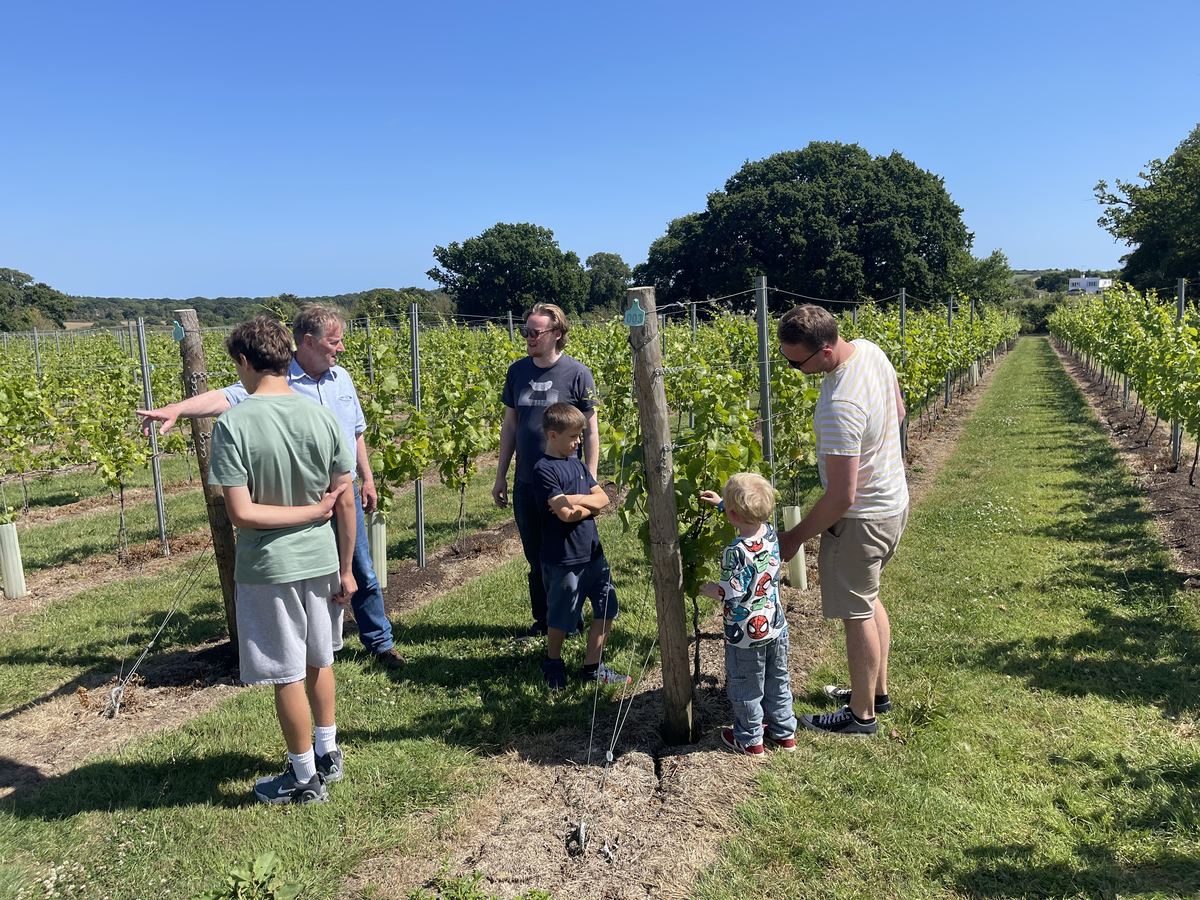
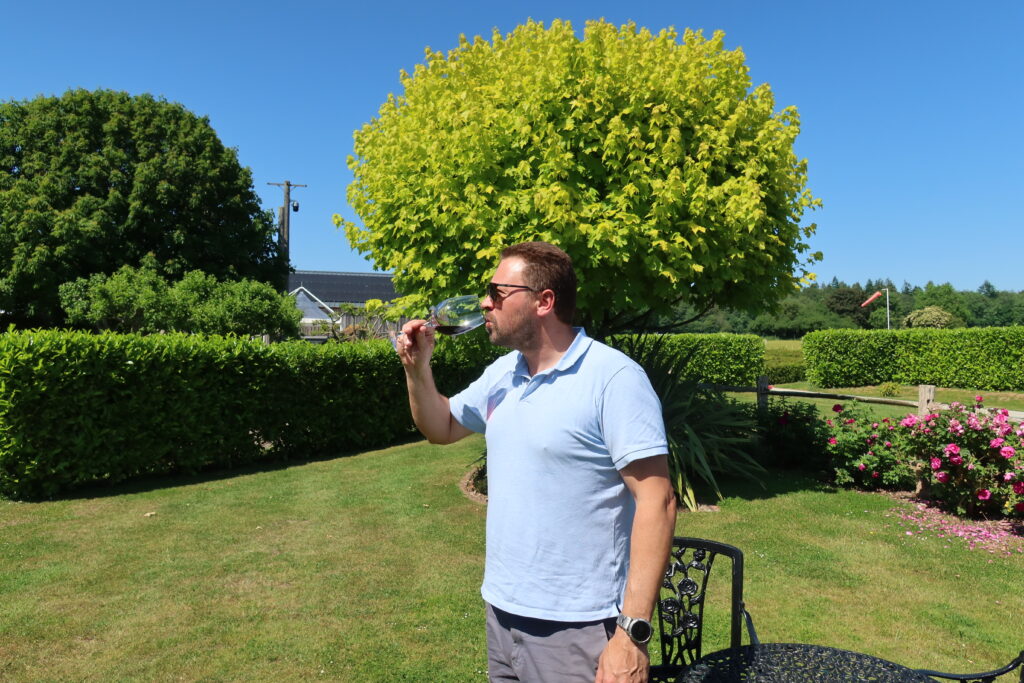
The tasting room at Selden is small and unhurried. There are no gift shop distractions, no wine club sign-ups at the door. You taste the wines, walk the vineyard, and leave with a clearer sense of how a location, intertwined with the right grapes, becomes a bottle.

Mailing list

For the people who would like
to know first

Vintage updates, new release notifications, and an early opportunity to taste at the vineyard. No more than four emails a year.

No spam, no resale of your details, ever.